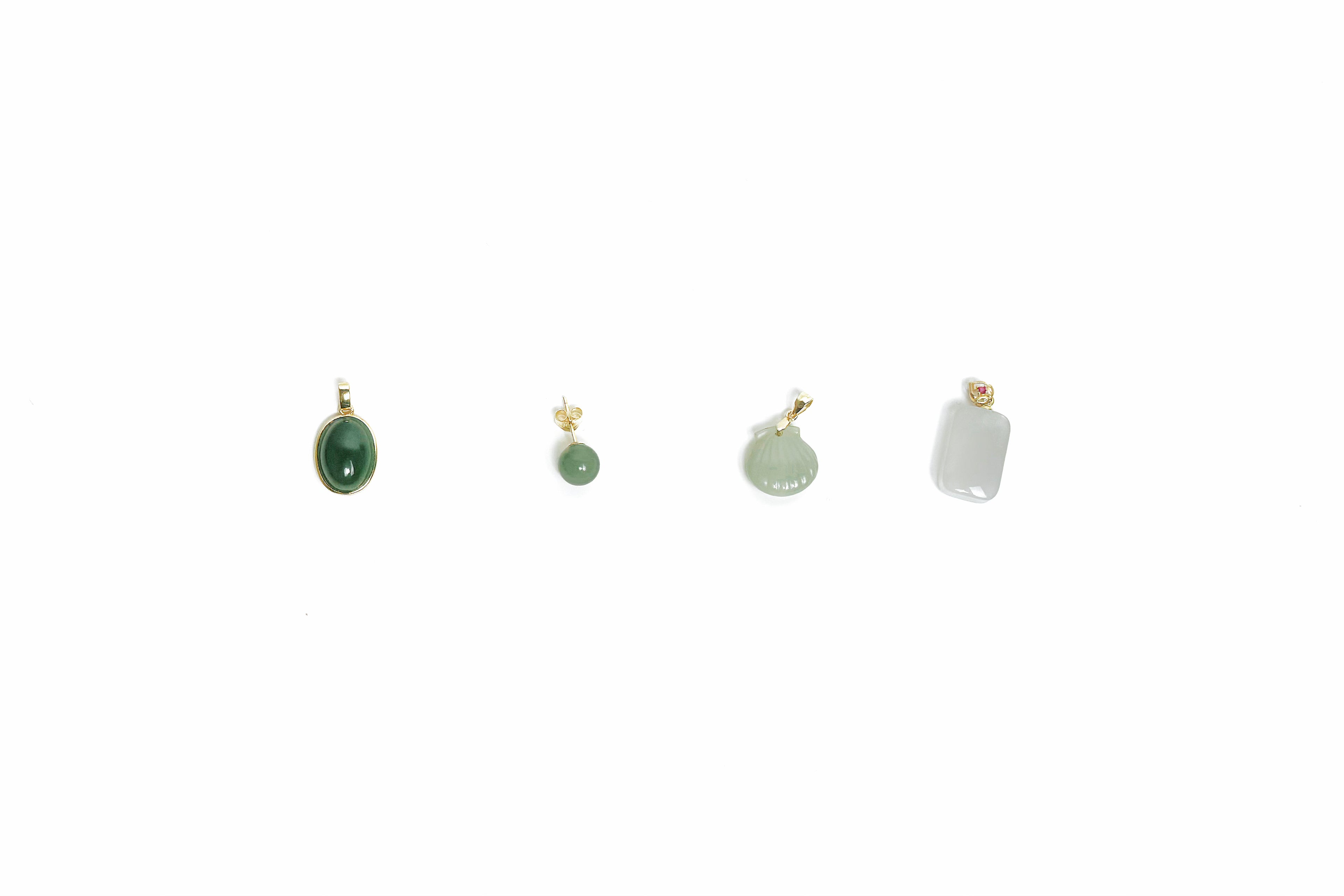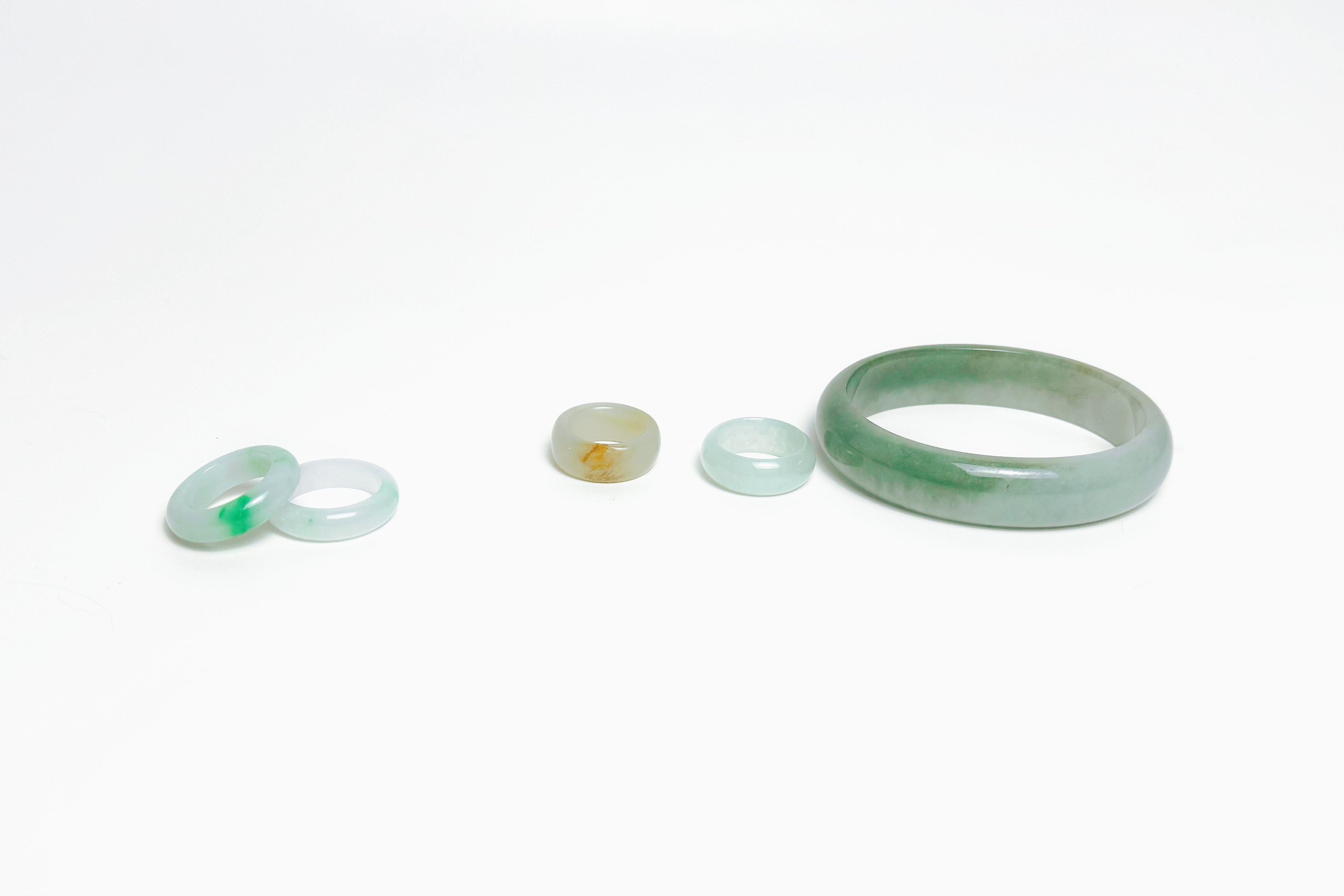
Natural Jade in Fine Jewelry

Jade is primarily classified into Jadeite and Nephrite, which differ in composition and color. Our collection currently features only Nephrite jade.

  • Origin

    Common sources include China, New Zealand, Canada, and Russia.

  • Characteristics

    • Softer, more fibrous texture than jadeite.
    • Colors range from creamy white to dark green or brown.
  • Social Symbolism

    Imperial Jade, prized in Chinese culture, represents nobility, wealth, purity, and is believed to bring luck and fortune. Once reserved for royalty, it remains a symbol of prestige. In Mesoamerican cultures, jadeite was valued above gold, symbolizing life, fertility, power, and spiritual significance.

  • Origin

    Mostly found in Myanmar (Burma), with smaller deposits in Guatemala, Japan, and the U.S.

  • Characteristics

    • Harder and rarer than nephrite.
    • Wide color range: green, lavender, white, yellow, black, red.
    • Highly translucent varieties (e.g., “Imperial Jade”) are especially valuable.
  • Social Symbolism

    Jadeite, especially Imperial Jade, is revered in Chinese culture as a symbol of luxury, power, and divine beauty, believed to attract luck and wealth. In ancient Mesoamerica, it embodied sacred life force and authority, treasured more than gold.

Not Every Green is Jade

Not every green stone is jade. Make mindful, informed choices and choose the jade or gemstone that truly speaks to you.

The Value of Jade Varies

Jade quality varies greatly — shaped by its color, translucency, texture, and craftsmanship, all of which influence its beauty and value. When choosing your piece, let your budget and personal preference guide you to the jade that feels just right for you.